
Every April, Southwest Florida shifts.
Seasonal residents head north, the roads open up, and Naples settles into a rhythm that year-round locals know well. Summer is when the city feels more relaxed, more accessible, and in many ways, more livable.
For full-time residents, that change is part of the appeal. Favorite restaurants are easier to get into.
Beaches feel less crowded. Daily life softens into something quieter and more personal. It’s also when the best parts of living here become more apparent: early mornings on the lanai, evening swims, impromptu dinners with friends, and a home that supports a slower, more comfortable pace.
Of course, this is also the height of the real Florida season: intense sun, heavy humidity, afternoon downpours, and the realities of hurricane season. That’s why thoughtful design matters so much. A well-designed home doesn’t just protect against summer conditions; it makes local life during the summer feel easy, beautiful, and deeply enjoyable.
And whether you live here all year or divide your time seasonally, your home still needs to perform through it all. The heat. The moisture. The storms. The resilience piece doesn’t go away, it simply becomes part of a smarter, more intentional way of living in Florida.

If you live here full-time, you know summer isn't something to escape, it’s something to design for. The goal is a home that doesn’t just endure the season but supports how locals actually live during it.
When the sun is directly overhead for most of the day, every window becomes a heat magnet unless it's properly protected. We design generous roof overhangs, covered lanais, and exterior shading systems that block solar gain before it ever hits the glass. The result? Indoor temperatures that stay comfortable without your AC running 24/7.
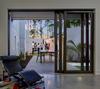
When you position windows and doors to capture prevailing breezes, typically from the southwest in summer, you create natural cooling that no HVAC system can replicate. High ceilings with clerestory windows pull hot air up and out, while operable glass walls let you flush the entire house with fresh air during those brief, cooler morning hours.
We specify light-colored roof materials that reflect rather than absorb heat. Stone and tile flooring stay naturally cool underfoot. And exterior finishes, stucco, stone, fiber cement, are chosen not just for aesthetics but for their ability to withstand UV exposure, salt air, and sudden temperature swings during afternoon storms. The goal isn't to fight summer in Naples. It's to make it feel effortless.
Many Naples homeowners split their time seasonally, and even full-time residents may travel during the summer. When that happens, a luxury home needs to be prepared to sit safely and perform properly without constant oversight.
You can't shut everything off (hello, mold and mildew), but you also don't want to air-condition an empty house to 72 degrees for five months. We typically recommend keeping thermostats around 78-80 degrees: warm enough to reduce energy costs but cool enough to prevent moisture damage. Whole-house dehumidifiers become essential, especially in homes with art collections, custom millwork, or high-end finishes that don't tolerate humidity well.
Protect your investment when you're 1,500 miles away. Homes designed with mechanical ventilation: ERVs (energy recovery ventilators) or HRVs (heat recovery ventilators): continuously exchange stale, humid indoor air with fresh outdoor air, all while maintaining temperature control. It's the difference between coming home to a house that smells like a gym locker and one that still feels fresh.
prevent your interiors from becoming sun-damaged casualties. Automated shades that close during peak sun hours protect furnishings, artwork, and flooring from fading. We often incorporate exterior roller shades or hurricane shutters that serve double duty: storm protection and solar control.
Furniture should be stored or covered. Pool equipment and outdoor kitchens need to be winterized (or in this case, "summerized").
critical in a season that can drop several inches of rain in a single afternoon: must be clear and functional. The last thing you want is to return in November to a flooded lanai or a pool that's turned into a swamp.

Let's talk about the part nobody wants to think about, but everyone needs to plan for: hurricane season officially runs from June 1 through November 30, which means your home sits squarely in the crosshairs during the months you're least likely to be here.
Hurricane-resilient home design in Florida isn't about building a bunker.
It's about intelligent architectural decisions that protect your property without compromising aesthetics. Impact-resistant glass and doors. Reinforced roof-to-wall connections. Properly rated shutters or panels. Elevated mechanical systems that won't flood if storm surge reaches your property.
We design homes that meet or exceed Florida Building Code requirements for wind resistance, which, depending on your location and proximity to the coast, can mean designing for wind speeds up to 180 mph. But beyond code compliance, it's about making smart material choices.
Metal roofs that are rated for high winds. Fiber cement siding that won't blow off in 130 mph gusts. Structural elements that tie everything together into one cohesive, storm-resistant system.

If you're leaving town for part of the summer, here's what should happen before you hand the keys to your property manager:
Inside:
Outside:
Documentation:
The peace of mind is worth the extra hour of preparation.
Contact Us for a free, printable HOME PREP CHECKLIST
Designing for the Luxury of Staying
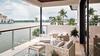
A well-designed Naples home doesn't just tolerate summer; it's built to enhance it. Whether you're enjoying a quiet breakfast on the lanai, hosting friends for a late summer dinner, or simply appreciating the slower rhythm of town, the architecture should support the lifestyle that year-round residents value most.
This is what we mean by sustainable home design. It's not just about solar panels or bamboo flooring. It's about creating homes that respond intelligently to their environment, that don't require heroic amounts of energy to remain comfortable, and that age gracefully through Florida's most demanding season.
And when resilience is integrated from the start, impact-rated openings, durable materials, better drainage, backup systems, and smarter climate control, your home is ready whether you're there every day or away for a few weeks.
That’s the real luxury of designing for Florida year-round.
If you have any questions or would like to get in touch, you can Contact Us here