


Boutique commercial spaces in Naples do not need to be large to feel memorable. The strongest ones are bespoke, rooted in place, and clear in character—not interchangeable interiors wrapped in branding.
At Hlevel Architecture, a boutique commercial architecture studio, we shape retail, restaurant, office, cultural, and adaptive reuse environments through material, light, movement, and atmosphere. In a compact footprint, every decision carries more weight.
A boutique commercial space should feel specific to its business and specific to Naples—not like a branded box assembled from generic finishes.
That identity does not come from graphics alone. It comes from the warmth of wood, the restraint of stone, the way light falls across a wall, the pacing of circulation, and the mood created between arrival and departure. A restaurant may express conviviality through sightlines and intimacy. A gallery may use shadow and sequence to heighten attention. A workplace may communicate confidence through calm proportion rather than corporate signals.
Hlevel’s Italian Deli project offers a concise example. In a constrained downtown Naples footprint, the design transformed an existing commercial shell into an intimate Italian wine and deli experience by carefully integrating seating, display, storage, and back-of-house needs. The result is efficient, but more importantly, character-driven.
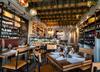
1. Light and shadow
In Naples, light is one of the most powerful design materials—and one of the most difficult to handle well. Filtered daylight can make merchandise more tactile, expand a compact interior, and give a gallery or restaurant a distinct mood. Just as important, layered artificial lighting extends that identity into evening. The goal is not brightness alone, but atmosphere.
2. Tactile, honest materials
A small space becomes more memorable when its materials feel deliberate and real. Stone, timber, plaster, and metal can create depth without excess. Material sincerity matters: the palette should feel coherent, durable, and well detailed rather than decorative for its own sake.
3. Flexibility within a compact footprint
Boutique commercial spaces often need to do more with less. Retail displays shift. Restaurant operations evolve. Offices change with team needs. Adaptable partitions, integrated storage, and carefully planned service zones help a space remain useful without losing its identity. In smaller footprints, flexibility is not a luxury; it is part of good planning.
4. Human comfort and wellness
Comfort is spatial, not cosmetic. Visitors should instinctively understand where to enter, pause, and move. Staff should have access to natural light, acoustic control, and spaces for both focus and exchange. Hlevel’s work on the Ankrolab Microbrewery reflects this approach; the project received a 2018 AIA Florida Southwest Architecture Merit Award for its thoughtful readaptation project.
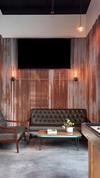
5. Southwest Florida resilience
In Southwest Florida commercial architecture, resilience must be designed from the beginning. Intense sun, humidity, salt air, heavy rain, and storm conditions shape decisions about envelopes, drainage, glazing, and detailing. The best resilient design does not feel defensive. It feels calm, durable, and quietly prepared.
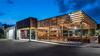
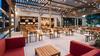
In Naples, a boutique commercial space is shaped as much by the street as by the interior. Along Fifth Avenue South and within the Naples Design District, storefront rhythm, shade, landscape, and walkability all influence how a place is perceived. For a small business, that matters: a compact storefront can feel powerful when it is local in character, carefully detailed, and connected to the public realm.
Even small commercial projects require rigorous coordination. Hlevel provides a full range of architectural services, guiding each project through the essential design and documentation phases with a tailored, collaborative process that keeps the architectural intent clear from first sketch through build-out.
The most successful small commercial spaces do more than fit within a footprint. They establish a clear identity, support the people who use them, and feel as though they belong exactly where they are.